Unveiling Mathenge: Managing Prosopis Invasion in Isiolo
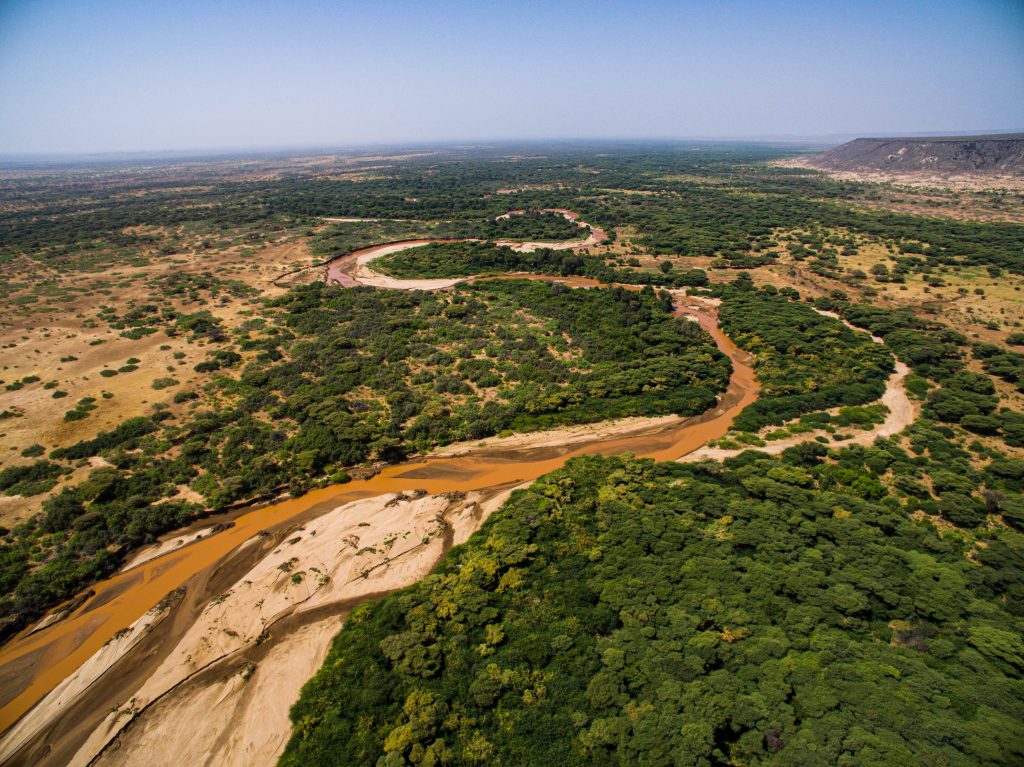
A single Prosopis juliflora tree - known locally as Mathenge - consumes approximately 36 litres of water daily. In Isiolo County, where borehole water is already scarce and grazing land shrinks each dry season, stands of Prosopis are quietly draining the water table, choking out native vegetation, and displacing livestock from the pastures that pastoral communities depend on. The plant was introduced to Kenya in the 1980s and 1990s as a drought-resistant afforestation tool; heavy rains during the 1997-98 El Nino event, combined with livestock carrying seeds, spread it far beyond its intended areas.
The consequences are well documented: Prosopis reduces biodiversity by outcompeting native plants, dries boreholes and wells, creates stagnant water pools that increase malaria risk, and transforms open grazing land into dense thickets that livestock cannot penetrate. At Lake Bogoria, birds have been recorded dying after landing in Prosopis canopy and becoming trapped on its thorns. For pastoral communities whose entire livelihood rests on open rangeland, the invasion is an economic emergency as much as an ecological one.
CETRAD joined the Woody Weeds Plus (WW+) project in 2021 to address this challenge in Isiolo County. The project operates across Kenya (Isiolo, Tana River, and Baringo counties), Tanzania, and Ethiopia, and brings together CABI, the Kenya Forestry Research Institute, the University of Nairobi, and the Centre for Development and Environment (CDE) at the University of Bern. In Isiolo, CETRAD's work has produced measurable results: a County Implementation Group is now coordinating management efforts across the county; Prosopis management has been written into the county development plan; and 5 km of the Isiolo River, with a 50-metre buffer on each bank, has been cleared.
The clearing process combines mechanical and chemical methods: trees are cut, surrounding vegetation cleared, roots dug out, and stumps burned with dry cow dung to prevent regrowth. Biological control approaches - introducing natural predators of Prosopis - are under ongoing evaluation. Community capacity to manage the plant independently is central to the project's long-term goal; without local knowledge and ownership, cleared areas quickly re-invade.
The WW+ project also addresses an important perception challenge: in some areas, communities have come to see Prosopis as a resource (for charcoal and timber) rather than a threat. Building awareness of its cumulative costs - on water, on biodiversity, on grazing - is as important as the physical clearing work. Managing Prosopis is a long-term commitment, not a one-time intervention, and CETRAD's presence in Isiolo over decades provides the institutional continuity that sustained management requires.